01
Asset data model
A structured representation of assets, components, assemblies, and their relationships — the foundation everything else is built on.
- Asset hierarchy and taxonomy
- Attribute and metadata schema
We design and build digital twin platforms that unify physical assets, engineering data, and operational workflows into a single source of truth — built for decisions, not just display.
Single source of truth for complex assets
Structured environments that support decisions
Traceable workflows from scope to sign-off
Integration with engineering and operational systems
Engineering-led organisations operating complex physical systems face a consistent set of problems. Digital twin architecture addresses all of them through structure, integration, and operational design.
Engineering records, inspection data, and operational signals exist in separate systems. No single view shows the complete picture, and assembling it manually takes time that should not be spent.
Large or complex infrastructure is difficult to understand through documents and dashboards alone. Spatial context is lost in translation, and decisions are made with incomplete information.
Risk assessments, planning decisions, and approval workflows happen across email, spreadsheets, and offline documents. Nothing is connected, and changes are difficult to trace.
A digital twin platform is a composed system, not a single tool. These are the structural layers that define how the system functions in production.
A structured representation of assets, components, assemblies, and their relationships — the foundation everything else is built on.
An interactive visual layer tied to the asset model with real data surfaced at the point of inspection — not a standalone visualisation.
Connects engineering data, operational signals, and external systems so the platform reflects current reality rather than a static snapshot.
Structured processes for scoping, work-pack creation, approvals, evidence capture, and sign-off — replacing manual handoffs with controlled flows.
PipelineSentry and PlantSentry demonstrate what production-grade digital twin platforms look like in practice — real systems operating in engineering-critical environments.
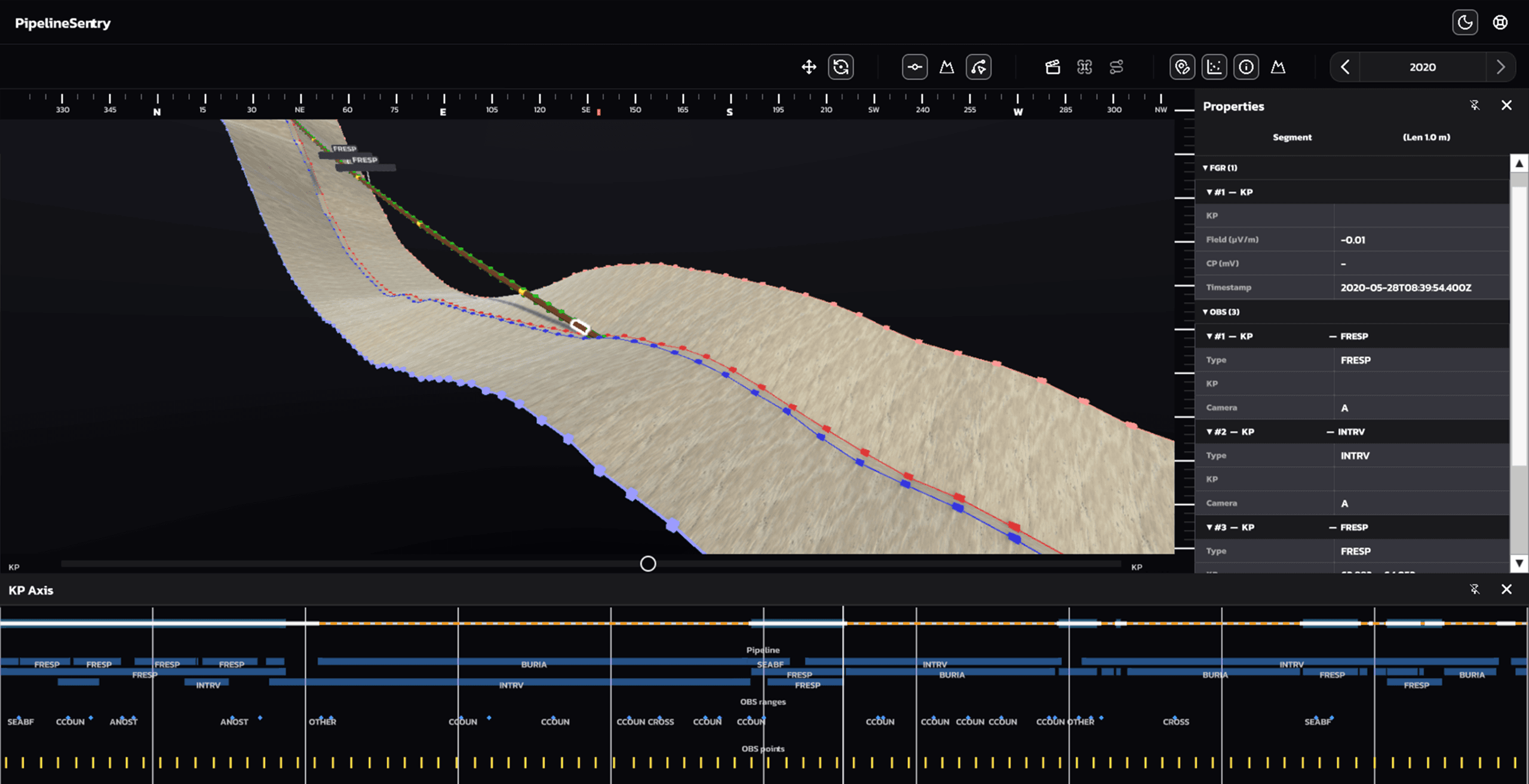
A portfolio-scale subsea digital twin for pipeline integrity, risk management, and confident lifecycle decisions — unifying inspection history, anomaly registers, and operational workflows in one authoritative platform.
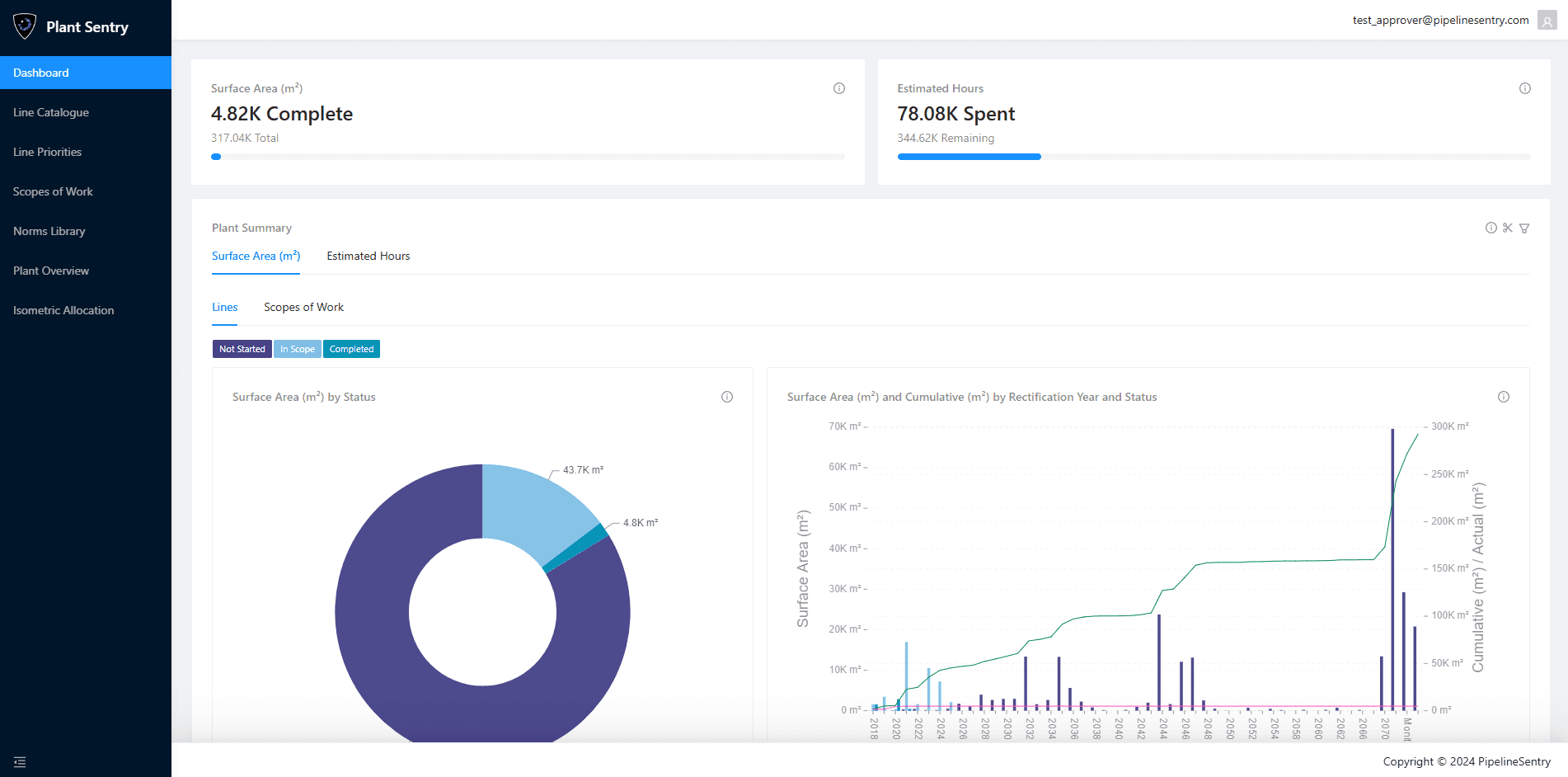
An inspection management platform for LNG facilities that integrates structured workflow governance with a contextual 3D plant environment — enabling inspection programmes that run with clarity and accountability.
Complex platforms require disciplined delivery. We structure engagements in stages that reduce risk and build confidence before full production investment.
Understand the environment, data sources, decision workflows, and governance requirements the platform must support before any design begins.
Design the system model, data integration approach, and visual environment before a line of code is written. Architecture decisions taken here have compounding effects.
Build a focused implementation that validates the architecture against real operational conditions and surfaces any structural assumptions that need to change.
Tell us what you operate. We'll design a platform that gives your team a single, structured view of the assets that matter most.